Bilingual Children's Books: Our Recommendations for Every Age
Bilingual Children's Books: Our Recommendations for Every Age
Finding the right books can make a meaningful difference in how children experience a new language. Whether you're introducing Spanish at home, supporting a bilingual classroom, or looking for educational activities that encourage early development, the right learning materials can make the experience more engaging and enjoyable.
However, not every child needs the same type of book. Toddlers benefit from hands on activities that develop coordination and introduce familiar vocabulary, while older children may be ready for structured language lessons and more independent learning.
At Crossing Borders Learning Solutions, we've developed educational books and resources inspired by our own language learning classrooms. Through our book series, we offer different ways to introduce languages, encourage early writing, and create meaningful learning experiences for children at different stages.
If you're searching for bilingual children's books, here are our recommendations and what makes each series a valuable addition to your child's learning journey.
Why Choose Bilingual Books for Children?
Children benefit from opportunities to hear, recognize, and practice different languages in meaningful contexts. Books provide a simple way to introduce new vocabulary, reinforce familiar words, and make language part of everyday routines.
For younger children, learning materials can also support development beyond language. Activities such as tracing, coloring, identifying shapes, and following simple instructions encourage concentration, coordination, and early learning skills.
For older learners, structured language books provide opportunities to practice vocabulary, understand sentence patterns, and become more comfortable communicating in another language.
We believe that learning a language should extend beyond memorizing words. Children need opportunities to interact with what they're learning through reading, movement, repetition, and hands-on activities.
The best book for your child depends on their age, developmental stage, and language-learning goals. Our three book series approach bilingual education differently, allowing families and educators to choose materials that fit their needs.
1. Small Hands Big World: Bilingual Tracing and Activity Books
Best for: Toddlers and young children, starting at 18 months.
When introducing educational books to toddlers, we want activities that encourage exploration while supporting important developmental milestones. That's exactly what inspired our Small Hands Big World series.
Designed for children beginning at 18 months, these bilingual activity books combine early language exposure with tracing, coloring, and pre-writing exercises. Children practice working with letters, numbers, shapes, and simple words while developing fine motor skills and hand-eye coordination.
One of the features we value most about this series is its progressive structure. The activities become more challenging as children advance through different age groups and levels, allowing them to continue developing their skills rather than repeating the same exercises.
Our Small Hands Big World books are available in English and Spanish, English and Mandarin, and English and French. This gives families and educators the opportunity to introduce another language while supporting foundational learning.
These are also the same activity books we use in our Crossing Borders International School classrooms. Our students work with the series throughout their early learning years, making it a resource that has become an important part of our educational approach.
For parents looking for bilingual activity books for toddlers or educational books that combine language exposure with early writing practice, this series is a wonderful starting point.
2. Let's Start Spanish: A Beginner Spanish Learning Book
Best for: Children ages 7 and up, teenagers, and adult beginners.
Learning a second language doesn't have to begin during early childhood. Older children and adults can also build strong language foundations with the right learning materials and consistent practice.
Our Let's Start Spanish book was developed for beginners who want a structured introduction to the Spanish language. It is designed for children ages seven and up, but it is also used in adult beginner Spanish classes.
Rather than focusing only on individual vocabulary words, this book helps learners become familiar with Spanish through practical exercises, real-life dialogues, and cultural elements. It provides a starting point for understanding and using the language in everyday situations.
We developed this resource around the needs of students who wanted to begin using Spanish more confidently, including learners preparing to navigate life in a Spanish-speaking environment.
For parents looking for Spanish learning books for kids beyond the preschool years, or adults interested in beginning their own language-learning journey, Let's Start Spanish offers a more structured approach.
3. Playtime in Spanish: Interactive Spanish Lessons and Activities
Best for: Children ages 4 to 6, Spanish immersion classrooms, homeschool families, and educators.
For young children, play is one of the most engaging ways to explore a new language. Our Playtime in Spanish series brings language learning into interactive activities designed to encourage participation and reinforce Spanish vocabulary.
What makes this series different is its two editions, created with both educators and families in mind.
The Teacher's Edition is written entirely in Spanish. It provides educators with lesson plans and activities that can be conducted in Spanish, making it particularly useful for teachers working in Spanish immersion environments or classrooms where Spanish is incorporated into daily instruction.
The Parent's Edition is written in English. It helps parents understand the activities and support their children's learning at home, even if they are not fluent in Spanish themselves.
Both editions encourage children to engage with Spanish through playful, hands-on learning experiences. Instead of treating language as something children only study on a page, the activities create opportunities to hear, recognize, and practice vocabulary.
For educators looking for Spanish immersion activities, or parents interested in reinforcing classroom learning at home, Playtime in Spanish provides a practical resource for bringing more Spanish into everyday experiences.
How to Choose the Right Bilingual Book for Your Child
When choosing bilingual learning resources, we recommend considering what you want your child to accomplish. The right book should complement their current abilities while giving them opportunities to develop new ones.
For toddlers and preschoolers, look for books with tracing, coloring, recognizable illustrations, and simple activities. These features help introduce early learning concepts while encouraging children to participate.
For children around seven and older who are beginning Spanish, look for structured beginner materials that introduce vocabulary and practical language use. Consistent practice is important, so choose resources that allow learners to revisit concepts and gradually build confidence.
For children participating in Spanish immersion programs, activity-based materials can help reinforce what they hear and practice in the classroom. Teachers should also consider whether the resources provide enough guidance to incorporate activities into their existing lessons.
Parents should remember that they do not need to be fluent in a second language to support their child's learning. Reading together, practicing familiar words, and creating opportunities to explore new vocabulary can make language learning a shared experience.
Make Language Learning Part of Everyday Life
Introducing another language doesn't have to mean adding hours of formal lessons to your child's schedule. Small, consistent learning experiences can become part of everyday routines.
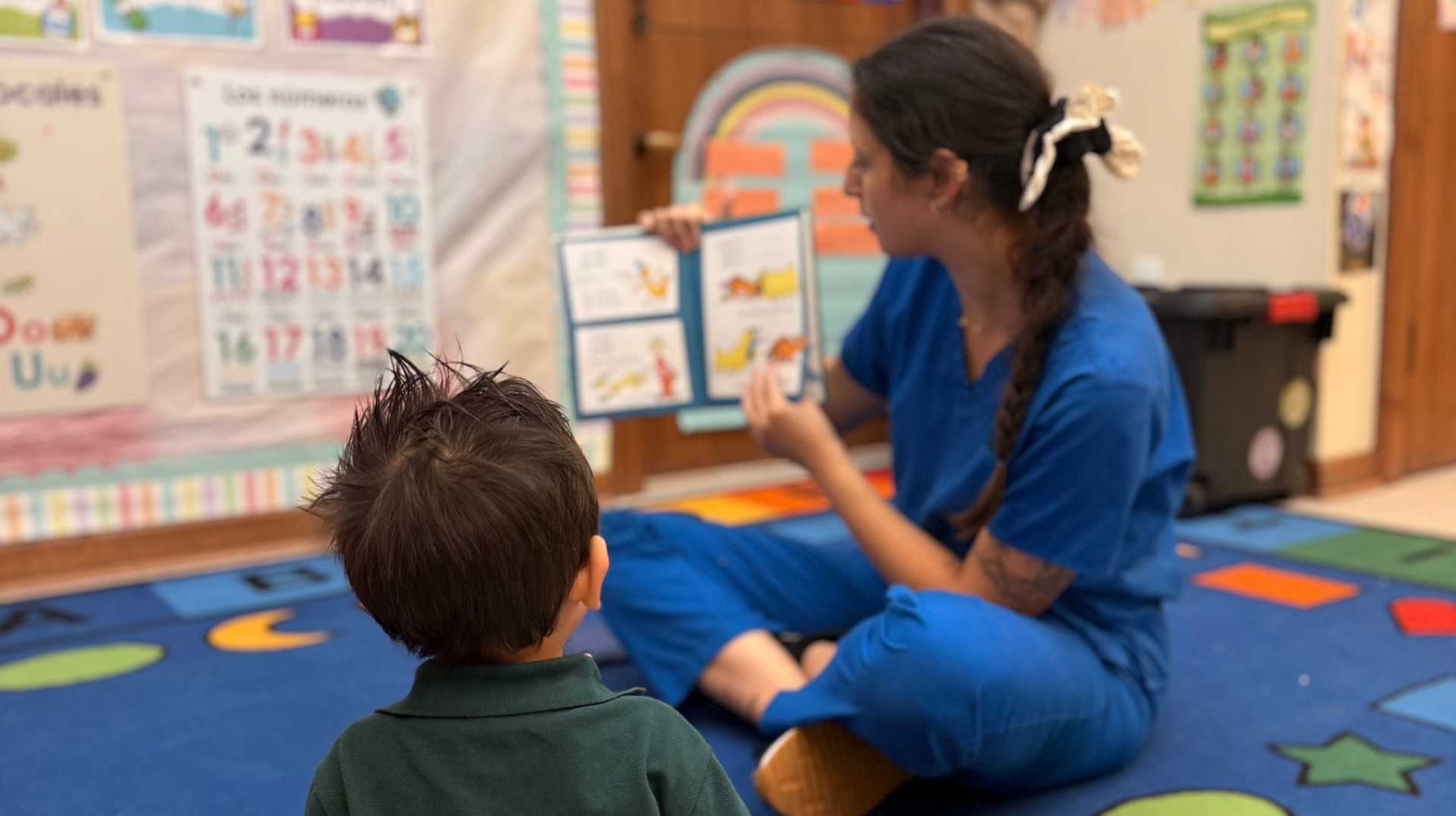
Reading together, practicing vocabulary during playtime, completing a tracing activity, or singing familiar songs in another language are all ways to encourage continued exposure.
At Crossing Borders Learning Solutions, we believe educational materials should make learning accessible, engaging, and meaningful. Our three book series were developed to support different stages of the language-learning journey, from a toddler's first tracing activities to a beginner's first steps in Spanish.
Whether you're a parent, homeschool educator, or teacher searching for bilingual children's books, we invite you to explore our collection and find the resources that best support your learning goals.
Explore our educational books and bilingual learning resources at Crossing Borders Learning Solutions.
